Introduction
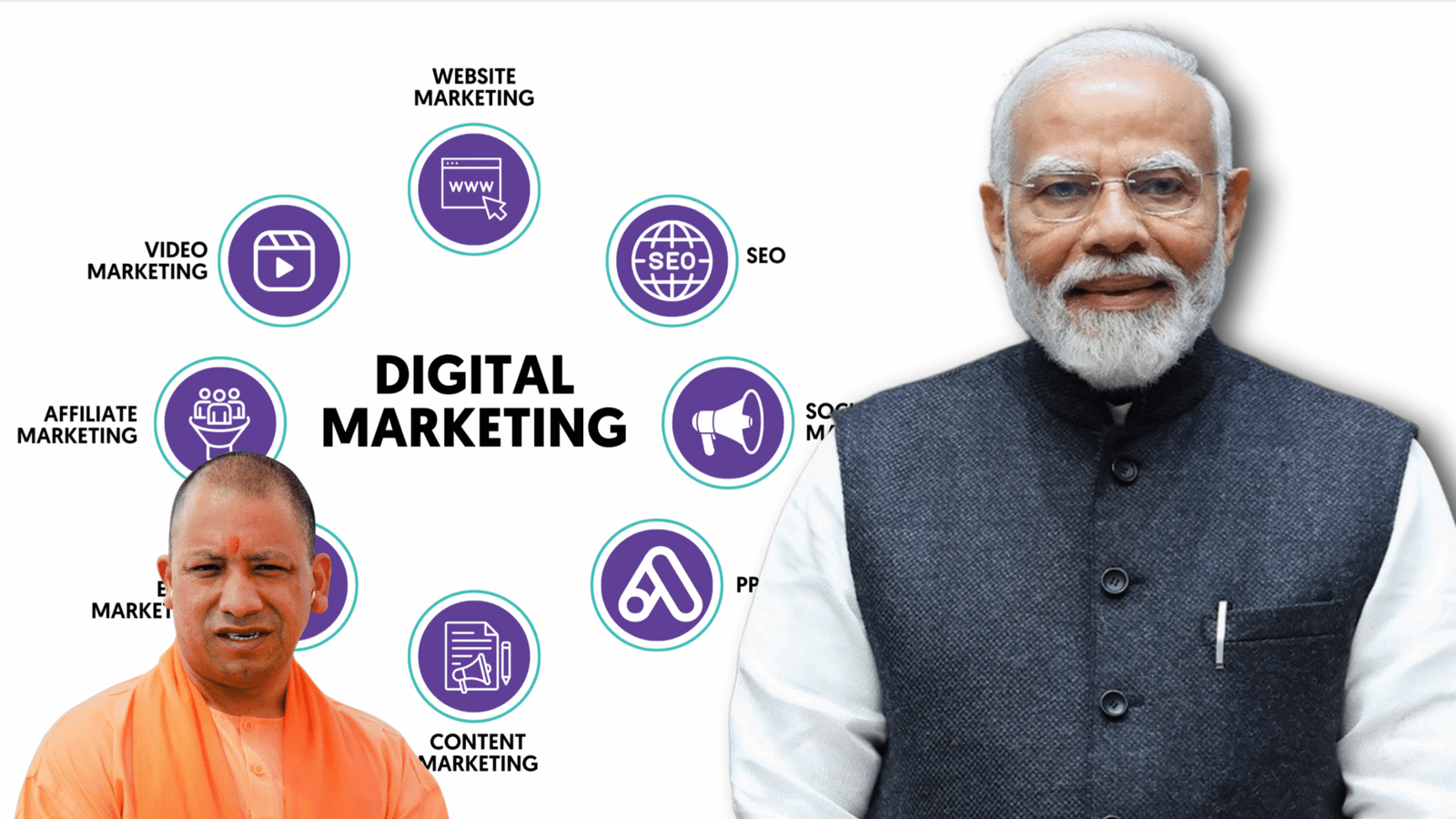
With businesses shifting online, demand for skilled professionals in SEO, social media, PPC, content marketing, analytics and automation is skyrocketing. Choosing the right course with a strong placement record can make the difference between learning theory and stepping straight into a job. Below is a concise, practical guide to the best types of digital marketing courses in India that offer placement support, what they cover, who they suit, and how to evaluate them.
Top Course Types & What They Offer
1. Comprehensive Diploma Courses (6–12 months)
These are full-stack programs that cover the entire digital marketing ecosystem: SEO, SEM (Google Ads), social media marketing, email marketing, content strategy, web analytics (Google Analytics), WordPress basics, and basic design tools. Many institutes include live projects, industry internships, and dedicated placement cells.
Who it’s for: Beginners who want end-to-end skillset and a structured path into entry-level roles (Digital Executive, SEO Trainee, Social Media Executive).
What to check: Number of live projects, partner companies for internships, alumni placement statistics, and mock interview support.
2. Advanced/Professional Certification Courses (3–6 months)
Shorter but intensive, these courses focus on specialization: advanced SEO, data-driven marketing, performance marketing, or analytics. They often include case studies, client-based projects and certification exams recognized by industry bodies or platforms.
Who it’s for: Graduates, working professionals upskilling, or learners who already know basics and want better roles (Performance Marketer, Marketing Analyst).
What to check: Faculty experience, project complexity, and percentage of students placed in targeted roles.
3. University-affiliated Postgraduate Programs (1 year)
Some universities and private universities now offer postgraduate diplomas or master’s level programs in digital marketing or marketing technology. These have the academic rigor of a university with stronger placement drives and corporate ties.
Who it’s for: Students wanting an academic credential plus career services; helpful if you value campus placement processes.
What to check: Accreditation, campus placement history, corporate recruitment partners.
4. Bootcamps & Online Blended Programs (4–12 weeks to 6 months)
These are practical-focused, often led by industry practitioners. Blended options combine live online classes with self-paced modules, mentorship, and a final capstone project. Placement assistance varies but many provide interview prep and recruiter networking.
Who it’s for: Busy professionals or learners seeking rapid, skill-first entry into the job market.
What to check: Mentor-to-student ratio, capstone project relevance, and direct recruiter interactions.
How Placement Support Typically Works
Placement support can include resume building, mock interviews, company introductions, internship-to-job conversions, and campus recruitment drives. Top providers maintain an active recruiter network — digital agencies, e-commerce companies, SaaS firms, and startups — and publish placement stats like average salary, top hiring companies, and placement percentage.
Choosing the Right Course — Quick Checklist
-
Curriculum breadth and depth (projects + tools used: Google Analytics, Google Ads, Facebook Business Manager, SEMrush).
-
Real-world projects and internship opportunities.
-
Placement cell activity — number of companies visiting, roles offered, and conversion rate.
-
Alumni outcomes — job titles, average starting salary, and reviews on professional platforms.
-
Post-course support — mentorship, interview prep, and lifetime access to updated materials.
FAQs
Q: Do all digital marketing courses guarantee jobs?
A: No. Genuine programs offer strong placement assistance but cannot guarantee jobs — success depends on your skills, interview performance, and market demand.
Q: Is prior experience required?
A: Not for beginner diplomas; specializations assume basic familiarity or prior learning.
Q: Which tools should a course teach?
A: Google Analytics, Google Ads, Facebook/Meta Ads Manager, SEO tools (Ahrefs/SEMrush), WordPress, and basic Excel/Google Sheets for analytics.
Correct Answer: 05
Conclusion
A career in digital marketing in India is accessible and rewarding if you pick a course that balances practical experience with credible placement support. Look beyond flashy promises — verify live project opportunities, recruiter partnerships, faculty credentials, and transparent placement records. With the right program and committed effort, you can move from learning to your first paid digital marketing role within months.